

My research topic:
Challenges and Importance for an Animal Rights Act in the Animal Welfare Context in China.
Why I conducted research
China is home to one of the largest stray animal populations in the world, with almost no legal protection for stray animals and even pets. Shelters like 全心犬意 operate entirely on community goodwill, with no government funding and no legal safety net.As someone who grew up in China and has seen this reality firsthand, I wanted to do more than raise money. I wanted to understand why the problem exists, and essentially answer the question: what would it actually take to fix it? What are some of the changes we can propose to be made?
At the core of Pawsitive Impact is the belief that real change requires more than fundraising. It requires understanding. That's why I wrote a research paper exploring the legislative challenges surrounding animal welfare in China, mentored by Veronica-Nicolle Hera from the University of Cambridge
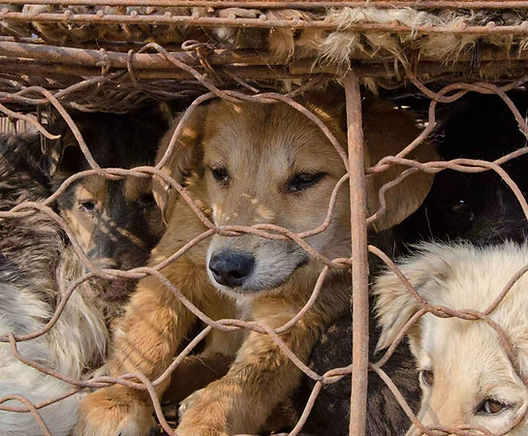
Source: Animal Equality
Biggest intellectual struggle
What I struggle with the most is tackling the legal side of regional animal rights, which I never learned in school, and is something I need to dig deeper into to prevent making false claims. Balancing my writing work with school responsibilities pushed me beyond my comfort zone.
Results of My Research
🏮
entrenched cultural traditions
Deep-rooted cultural traditions of eating dog meat,including the infamous Yulin
Dog Meat Festival
⚖️
legal barriers
Legislative barriers, slow moving reform, not enough social pressure
🏛️
reluctant stance
The government's stance that animal cruelty is considered as a rare
phenomenon
Interviewees of my research
-
A lawyer based in China
-
An AP U.S. Government and Comparative Government teacher
-
A cat shelter volunteer
-
Their insights: The interviews revealed that the most viable path toward animal rights in China is not a top-down legislative push, but a ground-up shift in public awareness, driven by social media, community organizations, and grassroots advocacy. One standout insight: fewer strays on the streets means safer roads for tourists, which means more tourism revenue. It is definitely not the most idealistic argument for animal rights, but it might be the most effective one for getting local governments to act.